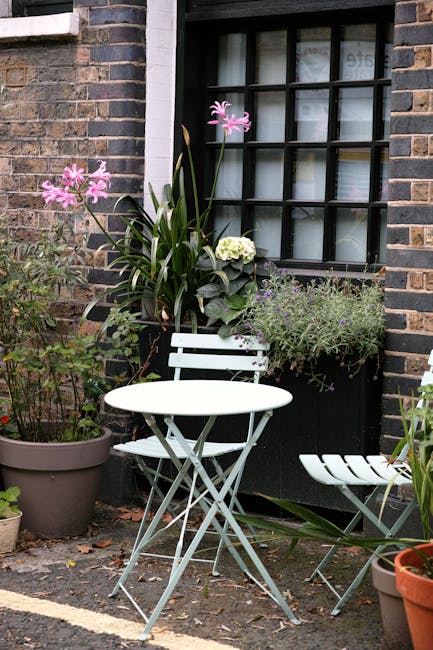
N1 gardeners guide to small Hoxton courtyard jobs on tight access
Small courtyard gardens in Hoxton can be brilliant little spaces. They can also be awkward, cramped, and oddly demanding. If you have ever tried to move a bag of compost through a side return that barely fits a wheelbarrow, you already know the problem. This N1 gardeners guide to small Hoxton courtyard jobs on tight access is for those moments when the space is tight, the job is fiddly, and the garden still needs to look sharp.
In practice, tight access changes everything: what tools can be used, how waste is removed, how long the job takes, and even which finishes make sense. A courtyard in Hoxton is rarely a blank canvas. More often it is a compact patch of hard paving, planters, pots, maybe a narrow run of beds, and just enough space for moss to quietly take over if nobody stays on top of it. This guide walks through the process in plain English, so you can plan better, avoid common mistakes, and know what good work should look like.
Whether you are considering a one-off tidy-up, regular upkeep, or a small redesign, you will find practical guidance here. And if you want a broader view of the services behind this kind of work, it can help to look at the full services overview or the team's approach in their about us page.
Table of Contents
- Why this matters in Hoxton courtyards
- How tight-access courtyard jobs actually work
- Key benefits and practical advantages
- Who this is for and when it makes sense
- Step-by-step guidance
- Expert tips for better results
- Common mistakes to avoid
- Tools, resources and recommendations
- Law, compliance, standards and best practice
- Options, methods and comparison
- Case study or real-world example
- Practical checklist
- Conclusion
- Frequently asked questions
Why N1 gardeners guide to small Hoxton courtyard jobs on tight access Matters
Hoxton courtyards often look simple from the street and then turn out to be surprisingly complex once you step inside. Tight access means there may be no rear gate, no direct vehicle entry, awkward steps, limited head height, shared corridors, or a neighbour's window just a few feet away. The garden may be small, but the logistics are not always small. Not at all.
That matters because a courtyard can quickly move from "needs a tidy" to "feels impossible" if the access plan is weak. A trug and a pair of secateurs might handle the light work, but anything involving soil removal, old timber, overgrown climbers, or heavy planters needs a proper approach. The better the planning, the less disruption for you, your neighbours, and the building itself.
There is also the aesthetics side. In compact outdoor spaces, every cut, edge, and finish is visible. A sloppy pruning job stands out. So does uneven paving cleanup, awkward waste stacking, or a planter layout that blocks the only route in and out. In small urban gardens, detail matters more than drama.
To be fair, that is part of the appeal too. A well-kept courtyard can feel like a pocket of calm in the middle of N1. On a damp morning, with the sound of distant traffic and a bit of leaf litter underfoot, the difference between neglected and maintained is obvious. Very obvious.
For jobs that need regular care rather than one-off rescue work, many owners find it useful to pair courtyard work with garden maintenance and, where overgrowth is part of the problem, hedge trimming.
How N1 gardeners guide to small Hoxton courtyard jobs on tight access Works
The core idea is simple: the garden is assessed as much for access as for condition. In a tight Hoxton courtyard, the question is not only "what needs doing?" but also "how will it physically get done?" That changes the method from the start.
A sensible workflow usually looks something like this:
- Access check - Measure widths, note steps, door thresholds, shared passageways, surface types, and any restrictions on loading or carrying waste.
- Job scope - Separate the work into tidy-up, clearance, pruning, cleaning, planting, repairs, or redesign.
- Tool selection - Choose compact, low-noise tools that suit the space rather than forcing larger equipment into it.
- Protection plan - Cover floors, walls, doors, and any fragile features before work starts.
- Waste strategy - Decide how cuttings, soil, timber, and packaging will be bagged, staged, and removed.
- Execution in stages - Work in smaller passes so the route stays clear and the space does not become a bottleneck.
- Final tidy - Sweep, rinse, reset furniture, and leave access routes clean and safe.
That last step sounds basic, but it is where a lot of the value sits. Small gardens are unforgiving. If debris is left in corners or behind pots, the whole space still feels unfinished. A good finish is not glossy for the sake of it; it is practical and calm.
For more disruptive jobs, such as clearing old containers, cutback waste, and accumulated clutter, a dedicated garden clearance service is often the cleaner choice. If the courtyard is being reworked with hard landscaping elements, landscaping or landscape gardening may be the better fit.
Key Benefits and Practical Advantages
Small-access gardening is not just about making things fit. Done well, it improves the daily use of the space in ways people notice immediately.
- Less disruption - Good planning means fewer trips through the property and less noise, mess, and stress.
- Safer working - Tight spaces can be awkward underfoot, especially with wet paving or narrow steps. A clear method reduces risk.
- Cleaner results - Courtyard jobs often need precision. Small tools and careful staging usually produce neater finishes.
- Better plant health - Many compact spaces suffer from shade, reflected heat, or poor drainage. Regular attention helps balance that out.
- More usable space - Once clutter, overgrowth, and awkward layouts are dealt with, the area feels bigger. Funny how that works.
- More predictable costs - Clear access and clear scope reduce wasted time, which helps quotes stay sensible.
There is also a quieter benefit: peace of mind. When a courtyard is well managed, you do not keep thinking about the next storm, the next weed surge, or the next neighbour complaint about trailing ivy. You can just enjoy the space. Simple as that, really.
Who This Is For and When It Makes Sense
This guide is useful for a few different people, and the needs are not always the same.
Homeowners often need a tidy, seasonal refresh, especially after winter moss, summer growth, or a renovation that left the outdoor area neglected. If there is a small patio, a few beds, and not much spare access, the job can become more technical than it looks.
Landlords and managing agents may need courtyard gardens kept presentable between tenancies or before photography, inspections, or property marketing. In those cases, reliability and a clean finish matter just as much as plant care.
Busy residents living in flats or maisonettes frequently need compact, low-disruption work that can be completed without turning the whole building upside down.
People planning improvements may already have a vision in mind, but the existing access makes it difficult to know what is realistic. That is where a grounded site check is worth its weight in gold. You might want decking, new planters, better lighting zones, or a smarter layout around a tiny courtyard. Or maybe you just want the thing to feel less cramped.
It makes sense when the space is too small for a standard garden approach. It also makes sense when the current method is clearly not working: waste is hard to remove, plants are out of control, surfaces are slippery, or maintenance has become a dreaded monthly chore.
If the job might involve timber structures or a new sitting area, it is worth looking at decking services. That is especially relevant in compact courtyards where a raised deck or defined hardscape can make the area feel more intentional.
Step-by-Step Guidance
Here is a practical way to handle small Hoxton courtyard jobs on tight access, whether you are arranging the work yourself or briefing a gardener.
1. Start with the access route, not the plants
Walk the route from the street to the garden. Look at door widths, stair turns, any narrow shared passage, ceiling height, and places where a bag or trolley will snag. If there is a bin store, a side alley, or a shared entrance, note that too. The route often decides the method.
2. Separate the tasks
Do not lump everything together. A courtyard tidy might include pruning, weeding, moss removal, pot rearranging, soil replacement, jet-free cleaning, and waste removal. Each element needs different handling. Once the list is clear, the job becomes far less chaotic.
3. Decide what stays and what goes
Small spaces fill up fast. Old pots, broken saucers, tired compost, rotting timber, and random clutter can eat the whole footprint. Be honest about what is worth keeping. If you are not using it, it is probably stealing space.
4. Choose compact tools
Battery hand tools, folding saws, loppers, compact brooms, lightweight trugs, and small pruning gear are usually better than heavy kit. In tight access, smaller often means smarter. Not glamorous, but practical.
5. Protect the building
Courtyard work often means passing through communal areas. Floors, skirting, handrails, and door frames can be scratched or stained surprisingly easily. Good protection is not overcautious; it is basic professionalism.
6. Work from the outside in
Clear the perimeter first, then the centre. This keeps routes open for waste and tools. In a cramped garden, working from the middle straight away can trap you in your own mess. A classic little headache.
7. Finish with a full sweep and reset
Check drains, corners, pot bases, and threshold edges. Re-position furniture so it looks intentional, not just shoved back. If the garden has a narrow seating zone, make sure circulation still works. You should be able to step in, turn around, and breathe a bit.
Expert Tips for Better Results
A few field-tested habits make a big difference in compact urban gardens.
- Use fewer, larger containers only if they suit the route. Big pots can look elegant, but they become a nuisance if they cannot be moved without half the house helping.
- Keep plant selection realistic. In shaded courtyards, choose plants that can handle lower light and reflected heat rather than forcing sun-lovers into a bad spot.
- Plan waste removal in stages. A pile of green waste sitting in a narrow walkway is how simple jobs become irritating jobs.
- Watch drainage. Courtyards often have hard surfaces and limited run-off. If water pools, algae and moss return fast.
- Think vertically. Trellises, climbers, and wall planters can add impact without stealing precious floor area.
- Keep edges crisp. In a tiny space, tidy edges make the biggest visual difference. You notice it straight away.
One small but useful habit: take a quick photo of the garden before work starts. Then compare it at the end. It is oddly satisfying, and it helps you spot the little details that are easy to miss in the moment.
If your courtyard has a lot of overgrown climbers or a line of hedge growth along boundaries, a focused hedge trimming visit can restore shape without overdoing it.
Common Mistakes to Avoid
Courtyard jobs go wrong in predictable ways. The good news is that most of them are avoidable.
- Underestimating access. A job can look easy until the first bag of waste needs to come back through a narrow passage.
- Using the wrong scale of equipment. Bigger is not always better. In a small courtyard, oversized kit just gets in the way.
- Skipping protection. Shared hallways and door thresholds get damaged fast if no one plans for movement.
- Leaving waste until the end with no plan. Piling everything up can block the route and increase the chance of damage.
- Ignoring drainage and shade. A courtyard that always feels damp needs a different planting and maintenance strategy.
- Overplanting. Too many pots or beds make a small space feel cluttered. You need a bit of air in there.
- Thinking maintenance is optional. Small spaces show neglect quickly. A month can be enough for weeds to make themselves at home.
Truth be told, one of the most common errors is wanting too much from too little space. A courtyard does not need to do everything at once. It needs to work well for the way you live.
Tools, Resources and Recommendations
The best tools for tight-access courtyard work are usually compact, quiet, and easy to carry. You are looking for control more than raw power.
| Task | Useful tools or kit | Why it helps in tight access |
|---|---|---|
| Pruning and shaping | Hand secateurs, loppers, folding saw | Lightweight, precise, easy to carry through narrow routes |
| Weeding and bed tidy-up | Hand fork, trowel, kneeler, small trug | Lets you work carefully without damaging nearby plants or paving |
| Leaf and debris clearance | Soft broom, dustpan, compact rake | Better control on paving and around steps |
| Waste handling | Reusable sacks, heavy-duty bags, small tubs | Makes staging and moving waste easier through confined routes |
| Surface care | Stiff brush, bucket, gentle cleaning tools | Useful for patio slime, dirt build-up, and edge cleaning |
| Layout improvements | Planters, trellis, compact furniture, raised beds | Improves structure without crowding the floor space |
In terms of service selection, look for clear scoping, tidy working methods, and realistic advice. A good provider will explain what can be done in a single visit, what needs repeat visits, and what might be better left for a redesign phase. If you are comparing options, the pricing and quotes page is a sensible place to understand how jobs are typically approached, while the insurance and safety information helps build confidence around higher-risk work.
There is also real value in sustainability. In small gardens, waste can accumulate quickly, especially after clearance or pruning. A thoughtful approach to reuse and recycling is usually better than simply removing everything and starting again. The site's recycling and sustainability page reflects that mindset.
Law, Compliance, Standards, or Best Practice
For most courtyard gardening jobs, there is no need to get buried in legal jargon. Still, a few standards and good practices matter in the real world.
First, access and working methods should be safe for occupants, workers, and neighbours. That means sensible lifting, stable footing, tidy routes, and care around shared areas. In a building with communal access, it is normal best practice to avoid leaving tools, debris, or wet surfaces where people might slip or trip.
Second, waste should be handled responsibly. Garden waste, timber, soil, and broken materials should be separated where practical and removed in a controlled way. If a job produces a lot of material, a planned clearance approach is usually better than improvising on the day.
Third, if the work involves trees, large branches, or anything that could affect safety, it should be treated with added caution. For more substantial arboricultural tasks, the relevant service line is tree lopping and removal, though in many small courtyards the more common need is careful light pruning rather than major intervention.
Fourth, trust and transparency matter. Clear terms, secure payment handling, and a straightforward complaints route are all signs of a properly run service. They may sound administrative, but they matter when someone is working around your home. For reference, the site also provides a terms and conditions page and a complaints procedure.
Finally, if you have mobility needs, building access issues, or a shared entrance that requires special consideration, it is worth checking the provider's accessibility statement before booking. That kind of detail can save a lot of back and forth.
Options, Methods, or Comparison Table
For small Hoxton courtyards, there are usually three broad ways to approach the work. The right one depends on condition, access, and how much you want changed.
| Approach | Best for | Pros | Trade-offs |
|---|---|---|---|
| Light tidy-up | Routine upkeep, light weeding, basic pruning, surface sweep | Fast, low disruption, affordable, keeps space presentable | Does not solve deeper layout or drainage issues |
| Clearance and reset | Overgrown, cluttered, or neglected courtyards | Removes the backlog, reveals usable space again | Can be noisier and more labour-intensive |
| Small redesign | Courtyards that need better structure, planting, or surfaces | Improves how the space functions long term | Needs more planning and may require phased work |
In a real Hoxton courtyard, the best option is often a combination. A clearance first, maintenance after, and then small improvements once the space is under control. That staged approach is usually calmer for everyone, and honestly, it tends to look better too.
Case Study or Real-World Example
Here is a realistic example. A compact N1 courtyard had a narrow rear access point, a patch of tired paving, three large pots, a strip of ivy climbing one boundary wall, and a build-up of cuttings from the previous season. The space looked smaller than it was because every surface was carrying some sort of clutter.
The first step was not pruning. It was access planning. The route from the flat to the garden was measured, protective covering was placed in the shared hallway, and the waste was divided into manageable loads. That meant the job could move without blocking the only route in and out.
Next came a staged tidy: dead material removed, ivy reduced to a manageable line, pots repositioned, and the surface swept down properly. Nothing dramatic. No miracle transformation. Just careful work.
Once the space was open again, the owner could see where the problems really were. One corner stayed damp, one planter was too large for the route, and the seating area had been squeezed into the wrong spot. Those details are hard to notice when the garden is cluttered. Once it is clear, the shape of the space makes more sense.
The end result was not a "new" garden. It was a more usable one. And in a small courtyard, that is usually the real win.
Practical Checklist
Use this checklist before starting any small Hoxton courtyard job with tight access.
- Measure the access route, including narrow points, steps, and turns.
- Check whether waste can be moved out in bags, tubs, or small loads.
- Identify fragile floors, walls, doors, or communal areas that need protection.
- List the exact tasks: tidy-up, pruning, clearance, planting, cleaning, or layout changes.
- Decide what stays, what goes, and what needs replacing.
- Choose compact tools that suit the space rather than forcing large equipment.
- Plan for water, drainage, and any slippery surfaces.
- Consider whether a one-off job or ongoing maintenance is the better fit.
- Confirm any building or neighbour access considerations before work begins.
- Ask for a clear quote that reflects access constraints and waste handling.
If you are unsure where to begin, a sensible first step is often a conversation with a local team that understands compact urban gardens. You can use the contact us page to start that process, or revisit the maintenance options if the space simply needs regular care rather than a full reset.
Get a free quote today and see how much you can save.
Conclusion
Small Hoxton courtyards reward careful work. They do not need brute force, and they certainly do not need guesswork. They need a clear plan, the right tools, and a realistic understanding of access. Once those pieces are in place, even a tight little space can become clean, calm, and genuinely enjoyable to use.
If there is one takeaway from this guide, it is this: tight access is not a problem to ignore, it is the starting point for good work. Plan around it, and the job becomes easier. Ignore it, and the job gets awkward very fast. Simple really.
And when it is finished, and the paving is swept, the pots are set just right, and the air feels a bit fresher in that enclosed little courtyard, you will know it was worth doing properly.
Frequently Asked Questions
What counts as a tight-access courtyard job?
Any garden task where moving tools, waste, or materials is difficult because of narrow doors, shared hallways, steps, awkward turns, or limited outdoor space counts as tight access. In Hoxton, that often means compact courtyards behind flats, terraces, or converted buildings.
Can a small courtyard be maintained without heavy equipment?
Yes. In many cases, compact hand tools and well-planned working methods are better than large machines. Small spaces usually benefit from precision, quiet tools, and staged waste removal rather than heavy kit.
How do gardeners deal with waste in small-access gardens?
They usually bag or stage waste in smaller loads, keep routes clear, and remove materials in a controlled sequence. For larger jobs, a clearance approach is often more efficient than trying to tidy as you go without a plan.
Is regular maintenance better than occasional big clear-ups?
Usually, yes. Regular maintenance stops growth, moss, and clutter from building up. That said, if a courtyard has already become overgrown or crowded, a one-off clearance followed by maintenance is often the smarter route.
What plants work best in a Hoxton courtyard?
Plants that tolerate shade, partial shade, reflected heat, or irregular moisture tend to do better in compact urban courtyards. The exact choice depends on light, shelter, and how much attention the garden receives.
How long does a small courtyard job usually take?
It depends on the scope and the access. A light tidy may be relatively quick, while clearance or pruning work can take longer because of the time needed to move materials safely through tight routes.
Can a courtyard look bigger after gardening work?
Absolutely. Reducing clutter, sharpening edges, improving layout, and simplifying planting can make a small space feel much larger. Sometimes the biggest change is simply creating a bit of breathing room.
Do I need a redesign, or just maintenance?
If the garden is basically sound and just untidy, maintenance may be enough. If access, drainage, layout, or hard surfaces are making the space awkward to use, a redesign or landscaping phase may be worth considering.
What should I ask before booking a gardener for tight access work?
Ask how they handle waste removal, whether they have experience with narrow access, what tools they use, how they protect indoor or communal areas, and whether the quote reflects the practical realities of the site.
Is hedge trimming relevant in a small courtyard?
Yes, especially where boundaries, screens, or climbers are becoming unruly. Even a modest amount of trimming can make a courtyard feel less boxed in and easier to use.
What if the courtyard needs more than planting and tidy-up work?
Then it may be time to consider structural improvements such as decking, better paving layout, or a broader landscaping plan. In a small space, these changes can have a big impact if they are done thoughtfully.
How do I know if the quote is fair?
A fair quote should reflect the scope of the work, the access limitations, and the amount of waste involved. Clear pricing is usually easier to trust than vague estimates, especially for fiddly urban jobs.